

Understanding QR Code Technology for Restaurants
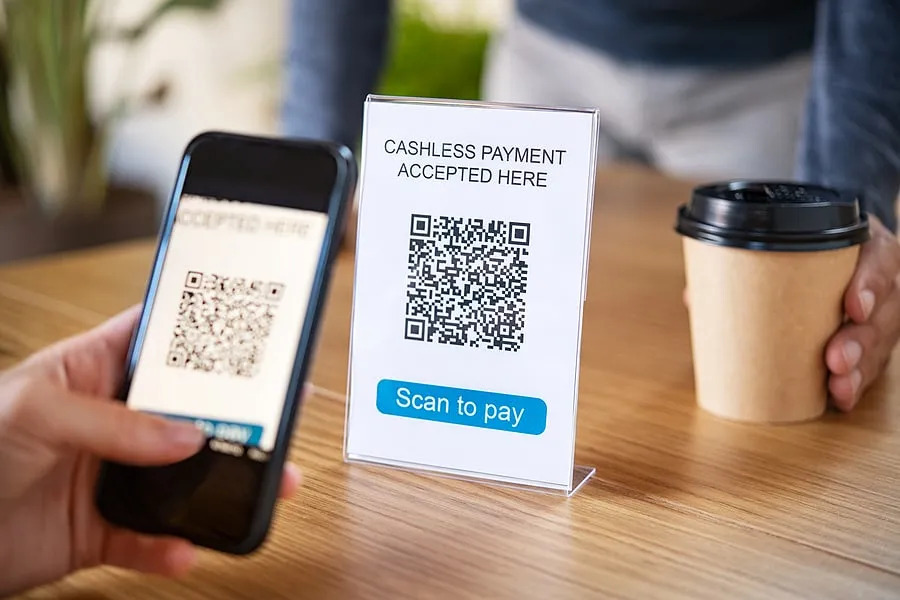
QR codes — short for Quick Response codes — are two-dimensional barcodes that contain encoded information such as URLs, text, and other data. In a restaurant context, scanning a QR code with a smartphone camera instantly connects the guest to a digital menu, ordering system, or payment page. Since most modern smartphones are already equipped with QR code readers, no app download is required.
Why it matters for Micros POS users
QR code ordering and payments integrate directly with your existing Micros 3700 or Simphony POS. Orders placed through QR codes are processed exactly like server-entered orders — they appear at workstations and print in the kitchen. This means no workflow disruption and no separate system to manage.
How QR Code POS Integration Works
Once integrated with your Micros POS, the system generates unique QR codes for each table. The QR code holds information about your menu and allows customers to place orders and make payments. Once the order is transmitted to your Micros POS station, it’s processed and sent to kitchen printers — just like any other order in your system.
Security of QR Code Payments
QR code payment technology uses advanced encryption to ensure that customer payment information is transmitted securely. All payments are processed in-house using EMV and P2PE technology, complying with industry-standard best practices for data security. Customer payment details are never stored on the restaurant’s system.
Best Use Cases for QR Code Ordering
QR code ordering is especially valuable for restaurants with large dining areas, outdoor seating, rooftop or poolside service, hotel food & beverage outlets, and any venue where reducing server wait time improves the guest experience. It’s also effective for takeout and delivery — display a QR code on your website, packaging, or printed menus to let customers order and pay without phone calls or miscommunication.